
Introduction
Trekking in Morocco offers an exciting way to explore the country’s diverse landscapes, from rugged mountain peaks and remote valleys to traditional villages and dramatic desert scenery. Located in North Africa, Morocco is known for its vibrant cities, historic medinas, and beautiful coastlines, but its natural landscapes provide equally memorable experiences for outdoor enthusiasts. Whether travelers are looking for a challenging mountain adventure or a peaceful journey through rural communities, Morocco has trekking routes suited to different interests and experience levels.
What makes trekking in Morocco particularly special is the variety of experiences available within one destination. Hikers can walk through the High Atlas Mountains, discover the peaceful valleys of the countryside, and witness the changing colors of the landscape throughout the day. Along the way, they can also experience Amazigh culture, traditional hospitality, and a slower pace of life far removed from busy tourist centers.
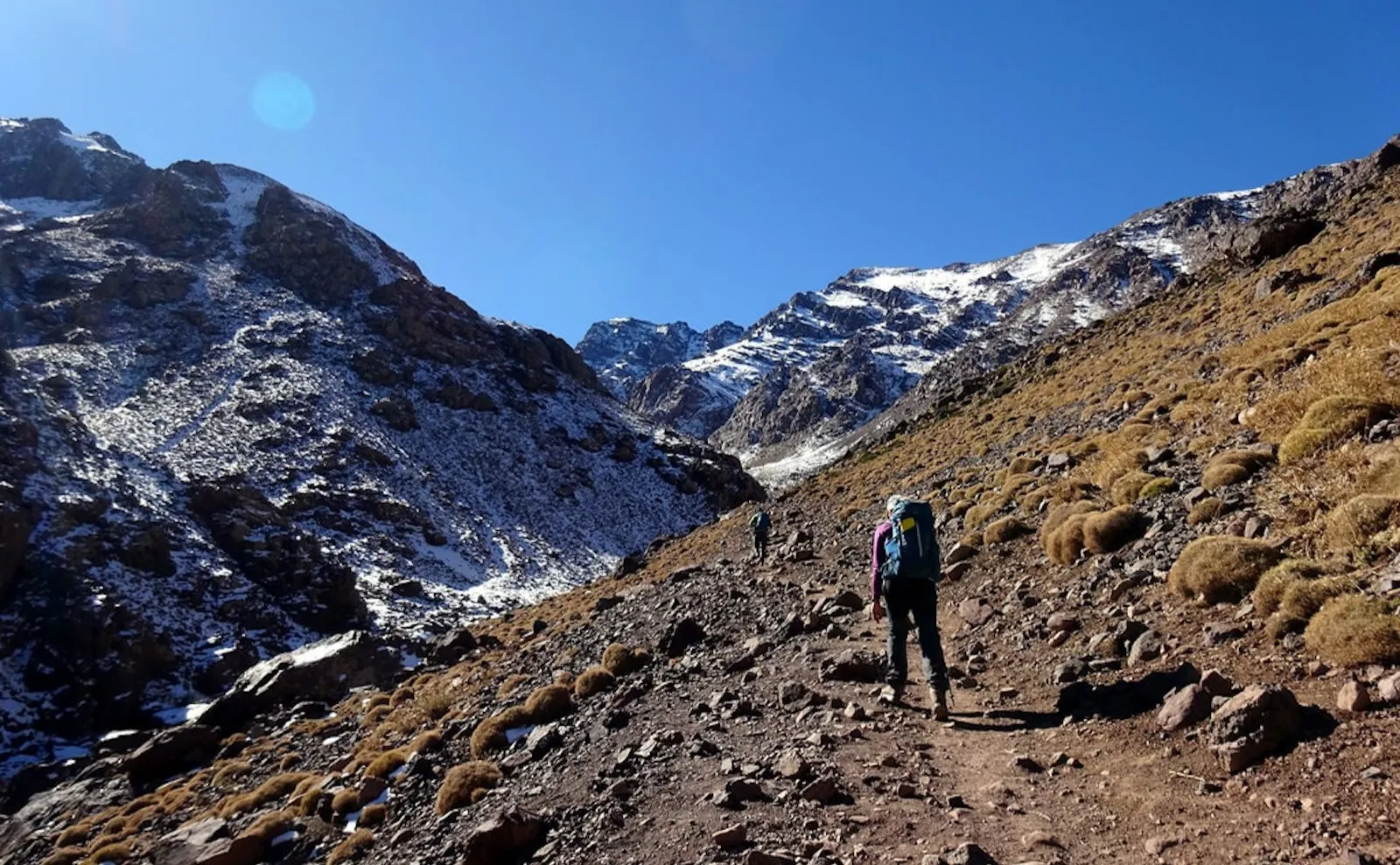
Explore the High Atlas Mountains
The High Atlas Mountains are among Morocco’s most popular destinations for trekking. Their dramatic peaks, rocky trails, green valleys, and scattered mountain settlements create a remarkable setting for outdoor adventures. The region includes Mount Toubkal, the highest mountain in North Africa, which attracts trekkers seeking a demanding high-altitude experience.
Many journeys begin around Imlil, a mountain village that serves as a convenient starting point for exploring nearby trails. From here, visitors can choose shorter walks through surrounding villages or embark on multi-day treks that lead deeper into the mountains.
The experience is not limited to reaching a summit. Trekkers can enjoy panoramic viewpoints, observe traditional farming practices, and explore landscapes that change with elevation. While higher routes require careful preparation, the region also offers accessible options for travelers who prefer a relaxed hiking experience.
Discover the Beauty of the Atlas Valleys
Morocco’s mountain valleys offer a different perspective on trekking, combining natural scenery with cultural discovery. These valleys often feature terraced farmland, fruit orchards, rivers, and traditional homes built from locally available materials.
The Aït Bouguemez Valley, frequently called the Happy Valley, is particularly appealing to travelers who want to explore rural Morocco at a comfortable pace. Walking between villages allows visitors to appreciate the surrounding mountains while learning about local agriculture and everyday life.
Valley treks can be suitable for travelers who are less interested in strenuous climbs and more interested in scenic walks and cultural encounters. Staying in a local guesthouse can add another dimension to the journey, providing opportunities to enjoy homemade meals and learn about regional traditions.
Experience the Challenge of Mount Toubkal
For adventurous travelers, trekking to Mount Toubkal is one of Morocco’s best-known mountain experiences. Its high elevation, steep trails, and spectacular summit views make it a rewarding challenge for those who are physically prepared.
The standard trek commonly takes two days from the Imlil area, although some itineraries allow additional time for acclimatization, rest, or exploring nearby routes. Trekkers generally stay overnight in a mountain refuge before continuing toward the summit.
Although the route does not usually require technical climbing in favorable summer conditions, it should not be underestimated. Altitude, fatigue, cold temperatures, and rapidly changing weather can make the ascent difficult. During winter and snowy conditions, specialized equipment and suitable mountain experience may be necessary.
Travelers should assess their fitness, check current trail conditions, and consider using a qualified local mountain guide. A slower pace and adequate preparation can make the experience safer and more enjoyable.
Trek Through Morocco’s Desert Landscapes
Morocco is also famous for its desert scenery, where trekking provides an opportunity to explore environments that contrast sharply with the country’s mountains. The Sahara region features expansive dunes, rocky plains, and settlements shaped by life in an arid climate.
Around Merzouga, travelers can experience guided walks across desert landscapes and combine trekking with visits to local communities. Longer desert journeys may involve walking between settlements, camping under the stars, and learning about the region’s traditions.
Desert trekking requires a different approach from mountain hiking. Heat, limited shade, and the need to carry sufficient water make route planning especially important. Cooler months are generally more comfortable for extended outdoor activities, while summer temperatures can be extreme.
Visitors should arrange suitable support for longer routes and follow local guidance about water supplies, weather, and navigation.
Best Time for Trekking in Morocco
The best season for trekking depends on the region, altitude, and type of adventure planned.
Spring, particularly April and May, often brings pleasant conditions to many mountain areas, with greener valleys and seasonal flowers. Autumn, especially September and October, can also offer comfortable temperatures and clear views.
Summer may be suitable for high-altitude routes, but lower valleys and desert areas can become extremely hot. Starting early, carrying enough water, and avoiding the hottest part of the day are important precautions.
Winter offers beautiful snowy scenery in the High Atlas, but some routes become significantly more challenging. Snow, ice, and cold weather can require specialized equipment and experienced guidance.
Before choosing a trekking itinerary, check the local forecast and seek updated advice about trail conditions. The right timing can make a major difference to both comfort and safety.
Prepare for a Successful Trekking Adventure
Preparation is essential for enjoying Morocco’s trekking routes. Even a moderate trail can include uneven surfaces, steep climbs, and sudden changes in weather.
Comfortable hiking boots with good grip help provide stability on rocky paths. Layered clothing allows trekkers to adjust to changing temperatures, while a waterproof jacket, sun protection, and a hat can be useful in different conditions.
Carry sufficient drinking water, snacks, a first-aid kit, and a fully charged phone. For longer or remote routes, bring appropriate navigation equipment and arrange reliable transport and accommodation in advance.
Hiring a local guide can be particularly valuable for unfamiliar mountain paths and remote desert areas. Guides can assist with navigation, explain local customs, and help travelers understand the landscape. On demanding routes, choose a qualified professional and follow local safety recommendations.
Discover Morocco’s Culture Along the Trail
One of the most rewarding aspects of trekking in Morocco is the opportunity to connect with local communities. Many routes pass through Amazigh villages where traditional architecture, farming, and hospitality remain important parts of everyday life.
Travelers may have the opportunity to share mint tea, enjoy freshly prepared Moroccan dishes, or stay in a family-run guesthouse. These experiences provide insight into local traditions that may be missed during a typical city-based holiday.
Respectful travel is important. Ask permission before photographing people, dress considerately in villages, and follow local advice when visiting homes or cultural sites. Supporting local guides and accommodation providers can also help ensure that tourism contributes to the communities that welcome visitors.
Responsible Trekking and Environmental Protection
Morocco’s natural landscapes are valuable resources that deserve careful protection. Trekkers should carry their rubbish with them, avoid damaging vegetation, and remain on established trails whenever possible.
Water conservation is especially important in dry regions, where supplies may be limited. Travelers should use resources responsibly and avoid leaving waste near streams, campsites, or villages.
Choosing locally owned accommodation, purchasing local products, and hiring guides from the area can help support sustainable tourism. Responsible trekking allows visitors to enjoy Morocco’s natural beauty while helping preserve it for future generations.
Conclusion
Trekking in Morocco combines outdoor adventure, breathtaking scenery, and meaningful cultural experiences. From the high peaks of the Atlas Mountains to peaceful valleys and expansive desert landscapes, the country offers remarkable opportunities for travelers with different abilities and interests.
Successful trekking depends on selecting the right route, preparing suitable equipment, choosing an appropriate season, and respecting local communities and the environment. With thoughtful planning, every journey can become an opportunity to discover Morocco beyond its familiar tourist attractions.
Key Takeaways
-
Morocco offers trekking experiences across mountains, valleys, and desert landscapes.
-
The High Atlas Mountains and Mount Toubkal are popular choices for mountain enthusiasts.
-
The Aït Bouguemez Valley is ideal for scenic walks and cultural exploration.
-
Desert trekking requires careful planning for heat, water, and navigation.
-
Spring and autumn often provide favorable conditions, depending on the route.
-
Proper equipment, local guidance, and responsible travel practices improve the experience.
Final Thoughts
Trekking in Morocco is more than a physical adventure; it is a chance to experience the country’s landscapes, traditions, and welcoming communities at a slower pace. Every trail reveals something different, whether it is a dramatic mountain view, a quiet village, or the stillness of the desert. With the right preparation and a respectful approach, Morocco can offer a trekking experience that remains memorable long after the journey ends.
