
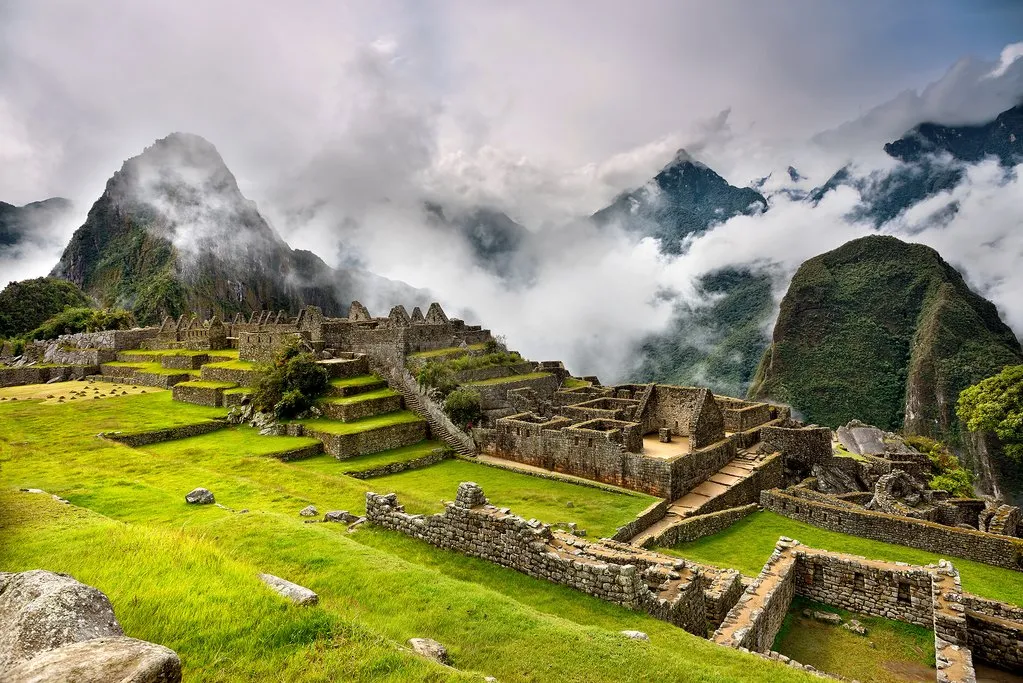
Machu Picchu, the 15th-century Incan citadel perched dramatically on a mountain ridge above Peru’s Sacred Valley, stands as one of humanity’s most extraordinary archaeological achievements and South America’s most iconic destination. While trains and buses deliver thousands of daily visitors to this UNESCO World Heritage Site, trekking to Machu Picchu Treks offers profoundly different experiences multi-day journeys through Andean landscapes, encounters with remote communities maintaining traditional lifestyles, and the incomparable satisfaction of arriving at the Sun Gate after days of physical challenge. Understanding the diverse trekking routes available, what distinguishes the famous Inca Trail from alternative paths, and how to prepare for high-altitude hiking in Peru’s mountains transforms logistical planning into anticipation for adventures that combine natural beauty, cultural immersion, and personal achievement.
The Classic Inca Trail: Peru’s Most Famous Trek
The Inca Trail represents the most renowned route to Machu Picchu, following ancient stone pathways built by the Incas themselves as part of the vast Qhapaq Ñan road system connecting their empire. This 43-kilometer trek typically spans four days and three nights, ascending from the Sacred Valley through cloud forests and alpine tundra before culminating at Machu Picchu’s Sun Gate as dawn illuminates the lost city.
The Route and Experience
Day one begins gently with moderate hiking through subtropical terrain, allowing acclimatization while passing the archaeological site of Llactapata. The second day presents the trek’s greatest physical challenge, the ascent to Dead Woman’s Pass at 4,215 meters, the trail’s highest point where altitude effects become pronounced and physical conditioning proves essential.
Day three traverses two additional high passes while incorporating visits to remarkable archaeological sites including Runkurakay and Sayacmarca, demonstrating how the Inca Trail served not merely as transportation infrastructure but as a sacred pilgrimage route dotted with ceremonial centers. The final morning delivers the trek’s emotional climax departing camp at 3:30 AM to reach Inti Punku (Sun Gate) as sunrise illuminates Machu Picchu, revealing the citadel gradually as light transforms the landscape.
Regulations and Permits
The Peruvian government strictly regulates Inca Trail access to protect the fragile archaeological and environmental resources. Daily permits limit trekker numbers to 500 (including guides and porters), with permits selling out months in advance for high season (May-September). Booking 4-6 months ahead proves essential, with flexibility regarding specific dates increasing availability options.
Independent hiking is prohibited; all trekkers must join organized groups with licensed operators who handle permit acquisition, provide guides and porters, arrange camping equipment and meals, and ensure compliance with environmental regulations including waste pack-out requirements.
Physical Requirements
The Inca Trail demands good physical fitness and altitude acclimatization. While not technically difficult (no rock climbing or specialized skills required), the combination of high altitude, steep ascents and descents, and multi-day duration challenges unprepared trekkers. Cusco acclimatization for 2-3 days before starting proves essential, with higher Sacred Valley locations like Ollantaytambo providing even better pre-trek adaptation.
Salkantay Trek: The High-Altitude Alternative
The Salkantay Trek has emerged as the premier alternative to the permit-restricted Inca Trail, offering equally spectacular scenery while accommodating more flexible booking timelines and larger group capacities. This challenging 70-kilometer route circles the sacred Mount Salkantay (6,271 meters), traversing diverse ecosystems from high alpine environments to subtropical cloud forests.
Route Characteristics
Standard five-day itineraries begin near Mollepata, ascending to the trek’s high point at Salkantay Pass (4,650 meters) significantly higher than the Inca Trail’s maximum elevation and consequently more demanding from an altitude perspective. The pass crossing typically occurs on day two when trekkers remain relatively fresh and acclimatized.
Subsequent days descend through dramatically changing environments from barren high-altitude landscapes to lush cloud forests inhabited by spectacled bears and hundreds of bird species. The route incorporates coffee plantations where trekkers learn about Peruvian coffee production, hot springs providing welcome relaxation for tired muscles, and small villages offering cultural encounters with contemporary highland communities.
Unlike the Inca Trail’s direct arrival at Machu Picchu, Salkantay treks conclude with train rides from Aguas Calientes (the town below Machu Picchu) after visiting the citadel, separating the trekking and archaeological components into distinct experiences.
Advantages and Considerations
Salkantay’s primary advantage lies in accessibility; no permit restrictions mean flexible booking even weeks before departure. The route sees fewer trekkers than the Inca Trail despite growing popularity, providing more solitude and wilderness experience. Camping infrastructure has improved dramatically with some operators offering upgraded camps featuring actual beds and dining facilities rather than basic tents.
However, the higher maximum elevation and longer distances create more demanding physical challenges than the Inca Trail. The route lacks the archaeological richness that distinguishes the Inca Trail, though the natural landscapes arguably surpass the Classic Trail’s beauty.
Shorter Trek Options: Balancing Time and Experience
Not all travelers possess the time or physical conditioning for multi-day high-altitude treks, creating demand for shorter alternatives that still deliver trekking experiences without week-long commitments.
Two-Day Inca Trail
The Short Inca Trail condenses the classic route into two days, beginning at Kilometer 104 and covering the final section to Machu Picchu. This condensed version eliminates the highest and most challenging sections while preserving the experience of hiking ancient stone pathways and arriving via the Sun Gate.
The abbreviated timeline makes the Short Trail accessible to travelers with limited time or moderate fitness levels, though permits remain required and still sell out for high season. The reduced physical demands come with trade-offs: missing the first two days means bypassing significant archaeological sites and the full wilderness immersion that multi-day treks provide.
Lares Trek
The Lares Trek emphasizes cultural immersion over archaeological sites, traversing remote Andean villages where Quechua-speaking communities maintain traditional weaving, farming, and pastoral practices largely unchanged for centuries. The three to four-day route reaches high passes around 4,600 meters before descending to Ollantaytambo for train connections to Machu Picchu.
This trek appeals particularly to travelers prioritizing authentic cultural encounters and those seeking alternatives to increasingly crowded Inca Trail and Salkantay routes. The cultural authenticity and relative solitude come with reduced archaeological content; the Lares region lacks the Inca Trail’s abundant ruins.
Alternative Routes: Beyond the Popular Trails
Choquequirao Trek
For adventurous trekkers seeking genuine remoteness, the Choquequirao trek visits an extensive Inca site that some call “Machu Picchu’s sacred sister.” This challenging 8-10 day expedition traverses extremely rugged terrain with minimal infrastructure, visiting archaeological sites receiving perhaps 30 visitors daily compared to Machu Picchu’s 5,000+.
The Choquequirao trek’s length, difficulty, and limited facilities mean only physically fit, experienced trekkers with genuine adventure orientation should attempt it. However, those willing to embrace the challenges experience Peru’s mountains in ways that shorter, more developed routes cannot provide.
Inca Jungle Trek
The Inca Jungle Trail represents the most adventurous and varied route, combining trekking with mountain biking, zip-lining, and optional white-water rafting. This four-day journey descends from high-altitude starting points through cloud forests to subtropical jungles, incorporating adrenaline activities that appeal to younger adventure travelers.
While physically demanding through activity variety and duration, the Inca Jungle Trek reaches lower maximum elevations than other routes, making altitude less problematic. The party atmosphere and adventure sports focus attract different demographics than traditional trekking routes, creating distinct group dynamics.
Preparation Essentials for Machu Picchu Treks
Altitude Acclimatization
Cusco sits at 3,400 meters, while trek high points exceed 4,200-4,600 meters depending on route. Arriving in Cusco at least 48-72 hours before starting treks allows critical acclimatization preventing acute mountain sickness (AMS). Symptoms including headache, nausea, and fatigue affect many trekkers, though proper acclimatization minimizes severity.
Consider spending initial Peru days at lower Sacred Valley elevations (Urubamba at 2,871 meters, Ollantaytambo at 2,792 meters) before ascending to Cusco, allowing gentler altitude adaptation. Coca tea, widely available throughout the region, provides traditional mild symptom relief, though hydration, rest, and gradual ascent remain the most effective prevention strategies.
Physical Conditioning
Begin training 8-12 weeks before treks, focusing on cardiovascular endurance through hiking, running, or cycling. Stair climbing with weighted packs simulates trekking conditions particularly effectively. While gym fitness helps, actual hiking with elevation gain provides the most specific preparation.
Practice with fully loaded packs (8-10 kg for personal gear) during training hikes. Even though porters carry main equipment on organized treks, day packs with water, cameras, snacks, and layers require comfortable carrying over long distances and steep terrain.
Gear and Equipment
Quality hiking boots broken in before departure prevent blisters during multi-day treks. Layered clothing systems accommodate dramatic temperature variations, freezing mornings at high camps, warm afternoons at lower elevations, and cold nights throughout. Rain gear proves essential as weather patterns can change rapidly in mountain environments.
Trekking poles reduce knee strain on steep descents, sleeping bags rated for sub-freezing temperatures (provided by most operators but verify specifications), headlamps for predawn starts, and water purification systems or tablets ensure safe hydration from stream sources.
Selecting Trek Operators
The quality of trek operators varies enormously, with differences dramatically affecting experience quality, safety, and environmental impact. Premium operators charge $600-800 for classic Inca Trail, mid-range companies $400-550, and budget options as low as $300. These price differences reflect tangible distinctions in guide quality, food standards, equipment conditions, porter treatment, and group sizes.
Evaluate operators based on: licensed status with the Peruvian tourism ministry, membership in responsible tourism organizations, transparent porter welfare policies (fair wages, weight limits, proper equipment), small group sizes (12-16 maximum rather than 20+), quality camping and cooking equipment, experienced bilingual guides, and comprehensive insurance coverage.
Read recent reviews carefully, looking particularly for comments about guide knowledge, food quality, equipment conditions, and how operators handled challenges when they arose. The cheapest operators achieve low prices through corner-cutting that manifests in inferior experiences and sometimes unethical labor practices.
Environmental and Cultural Responsibility
Machu Picchu treks traverse fragile alpine environments and indigenous territories requiring respectful, minimal-impact approaches. Follow Leave No Trace principles: pack out all waste including toilet paper, stay on established trails preventing erosion, avoid disturbing wildlife, and respect archaeological sites by not climbing on structures or removing artifacts.
Cultural sensitivity matters when passing through communities along trek routes. Always ask permission before photographing people, purchase crafts or services at fair prices, learn basic Quechua greetings showing respect for indigenous culture, and recognize that these communities host trekkers while maintaining traditional lifestyles that deserve respectful acknowledgment rather than objectification.
Seasonal Considerations
Peru’s dry season (May-September) provides optimal trekking conditions with minimal rain, clear mountain views, and stable weather patterns. This peak season brings crowds and higher prices but delivers the most reliable conditions for safe, enjoyable trekking.
Shoulder seasons (April, October) offer fewer crowds with generally acceptable weather, though rain probability increases. Wet season (November-March) sees fewer trekkers due to heavy rain, muddy trails, and reduced visibility, though substantially lower prices and near-empty trails appeal to hardy adventurers accepting challenging conditions. The Inca Trail closes entirely each February for maintenance.
Conclusion
Machu Picchu Treks transform visits to Peru’s iconic citadel from tourist activities into earned achievements requiring preparation, physical effort, and cultural engagement. Whether following the classic Inca Trail’s ancient stone pathways, embracing Salkantay’s high-altitude wilderness challenges, or exploring alternative routes emphasizing cultural immersion or adventure sports, these multi-day journeys create memories and personal growth that passive tourism cannot replicate.
Success requires realistic assessment of physical capabilities and altitude tolerance, adequate preparation through training and acclimatization, selection of responsible operators prioritizing sustainability and ethical practices, and approaches balancing personal achievement with environmental and cultural respect. When properly planned and executed, Machu Picchu treks deliver transformative experiences that combine natural beauty, archaeological wonder, physical challenge, and the profound satisfaction of arriving at one of humanity’s greatest achievements through effort rather than merely purchasing admission.
Key Takeaways
Permit Planning Determines Availability Classic Inca Trail permits sell out 4-6 months ahead for high season (May-September), requiring early booking with flexibility on specific dates increasing availability. Salkantay and alternative treks lack permit restrictions, allowing booking weeks before departure. Plan according to flexibility and desired route.
Acclimatization Prevents Altitude Sickness Spend minimum 48-72 hours in Cusco or Sacred Valley before starting treks. Consider gradual altitude gain starting at lower elevations (Urubamba, Ollantaytambo) before ascending to Cusco. Hydration, rest, and coca tea help, but gradual adaptation remains the most effective prevention strategy.
Operator Quality Varies Enormously Premium operators ($600-800) versus budget options ($300-400) reflect real differences in guide expertise, food quality, equipment conditions, group sizes, and porter treatment. The cheapest options achieve low prices through corner-cutting that manifests in inferior experiences and sometimes unethical labor practices.
Physical Preparation Determines Enjoyment Begin training 8-12 weeks before treks focusing on cardiovascular endurance and hiking with weighted packs. While technically non-difficult, multi-day duration at high altitude with steep terrain challenges unprepared trekkers. Actual hiking provides better preparation than gym fitness alone.
Route Selection Should Match Priorities Classic Inca Trail offers archaeological richness and arriving via Sun Gate but requires early permits. Salkantay provides spectacular scenery and flexibility but higher elevations. Lares emphasizes cultural immersion. Shorter options balance time constraints with trekking experiences. Match routes to fitness, time availability, and interest priorities.
Dry Season Delivers Optimal Conditions May-September provides minimal rain, clear views, and stable weather justifying higher prices and crowds. Shoulder seasons (April, October) offer acceptable conditions with fewer people. Wet season (November-March) challenges hardy trekkers with rain and mud but delivers empty trails and low prices.
