
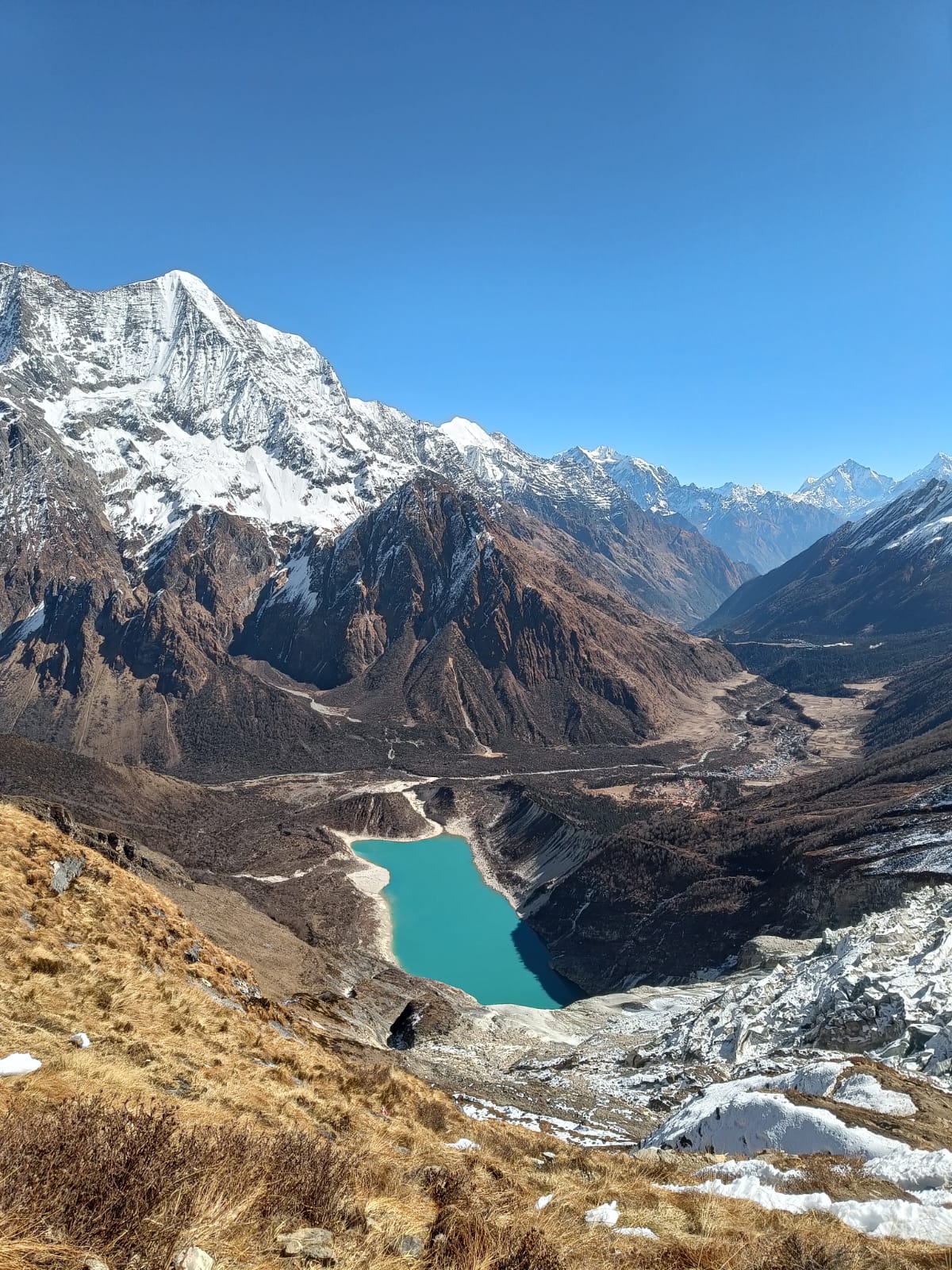
Nepal, a land of towering peaks and timeless traditions, offers some of the most captivating trekking experiences in the world. Among its many trails, the Manaslu Circuit Trek and the Tsum Valley Trek stand out as extraordinary journeys into remote Himalayan landscapes. These treks combine natural beauty, cultural richness, and a sense of true adventure that is increasingly rare in modern travel. For those seeking an authentic and less crowded trekking experience, these routes provide an unforgettable opportunity to explore the hidden gems of Nepal.
Introduction to the Manaslu Region
The Manaslu region lies in the western part of Nepal and is named after Mount Manaslu, the eighth-highest mountain in the world. Unlike the more commercial trekking areas such as Everest and Annapurna, the Manaslu region remains relatively untouched, preserving its pristine environment and traditional way of life. The trails wind through lush forests, terraced fields, deep river gorges, and high mountain passes, offering a diverse range of landscapes and experiences.
The region is also culturally rich, heavily influenced by Tibetan Buddhism. Monasteries, prayer flags, and mani walls are common along the trail, providing trekkers with a glimpse into the spiritual life of the local communities.
Manaslu Circuit Trek: A Journey Around the Mountain
The Manaslu Circuit Trek is a classic Himalayan adventure that circles Mount Manaslu. It typically takes around 14 to 18 days to complete, depending on the itinerary and pace. The trek begins in the lowland village of Soti Khola and gradually ascends through a variety of terrains before reaching the high-altitude Larkya La Pass, which stands at 5,160 meters.
One of the most appealing aspects of the Manaslu Circuit Trek is its diversity. Trekkers pass through subtropical forests filled with rhododendron and bamboo, cross suspension bridges over roaring rivers, and eventually enter alpine landscapes dominated by snow-capped peaks. Along the way, villages such as Samagaon and Samdo offer insight into the traditional lifestyles of the region’s inhabitants.
The highlight of the trek is undoubtedly the crossing of Larkya La Pass. This challenging yet rewarding section offers panoramic views of the surrounding mountains, including Himlung Himal, Cheo Himal, and Kang Guru. The sense of accomplishment upon reaching the pass is immense, making it a memorable moment for any trekker.
Cultural Encounters on the Manaslu Circuit
Beyond its natural beauty, the Manaslu Circuit Trek provides a rich cultural experience. The region is home to various ethnic groups, including Gurung and Tibetan communities. Their hospitality, traditional architecture, and daily practices add depth to the journey.
Trekkers often have the opportunity to visit ancient monasteries, observe local rituals, and even participate in festivals if the timing is right. The spiritual atmosphere of the region is enhanced by the constant presence of prayer wheels, chortens, and sacred stones carved with Buddhist mantras.
Tsum Valley Trek: The Hidden Valley of Happiness
While the Manaslu Circuit Trek is already considered off-the-beaten-path, the Tsum Valley Trek takes remoteness to another level. Opened to trekkers only in 2008, Tsum Valley remains one of Nepal’s most secluded and culturally preserved regions. Often referred to as the “Hidden Valley,” it offers a unique blend of natural beauty and spiritual heritage.
The Tsum Valley branches off from the main Manaslu Circuit route and leads trekkers into a sacred Himalayan valley surrounded by towering peaks. The trek typically takes about 12 to 16 days and can be combined with the Manaslu Circuit for a more extended adventure.
Unique Features of the Tsum Valley Trek
What sets the Tsum Valley Trek apart is its strong Tibetan influence and deep spiritual significance. The valley is home to ancient monasteries such as Mu Gompa and Rachen Gompa, which serve as important centers of Buddhist learning and meditation.
The local people, known as Tsumbas, have preserved their unique culture for centuries. They follow a non-violent lifestyle, and hunting is strictly prohibited in the region. This has contributed to the area’s rich biodiversity, making it a haven for wildlife enthusiasts.
The landscape of Tsum Valley is equally captivating. From fertile farmlands and pine forests to rugged cliffs and snow-covered peaks, the scenery is both varied and breathtaking. The Ganesh Himal range provides a stunning backdrop throughout the trek.
Spiritual and Cultural Significance
Tsum Valley is not just a trekking destination; it is a place of pilgrimage. The valley is believed to have been a meditation site for the Buddhist saint Milarepa, and many caves and monasteries are associated with his teachings.
Trekkers often describe a sense of peace and tranquility in the valley, which is enhanced by the absence of modern distractions. The slow pace of life, combined with the spiritual ambiance, creates a deeply enriching experience.
Combining Manaslu Circuit and Tsum Valley Trek
For those with sufficient time and stamina, combining the Manaslu Circuit Trek with the Tsum Valley Trek offers the best of both worlds. This extended itinerary allows trekkers to explore the cultural depths of Tsum Valley before rejoining the Manaslu Circuit and completing the high-altitude crossing of Larkya La Pass.
This combination trek typically takes around 20 to 25 days and provides a comprehensive experience of the region’s natural and cultural diversity. It is an ideal choice for trekkers seeking a more immersive and less commercialized Himalayan adventure.
Challenges and Preparation
Both treks are considered moderately to highly challenging, requiring good physical fitness and proper acclimatization. The high altitudes, long walking hours, and remote conditions can be demanding, especially for those unfamiliar with trekking in mountainous terrain.
Proper preparation is essential. Trekkers should engage in regular physical training, including cardio and strength exercises, before embarking on the journey. Packing appropriate gear, such as warm clothing, sturdy boots, and a reliable backpack, is also crucial.
Due to the restricted nature of the Manaslu and Tsum Valley regions, special permits are required, and trekkers must be accompanied by a licensed guide. This ensures safety and helps preserve the integrity of the environment and local culture.
Best Time to Trek
The best seasons for both the Manaslu Circuit Trek and the Tsum Valley Trek are spring (March to May) and autumn (September to November). During these periods, the weather is generally stable, with clear skies and moderate temperatures.
Spring offers blooming rhododendrons and vibrant landscapes, while autumn provides crisp air and excellent visibility of the mountains. Winter trekking is possible but can be challenging due to snow and extreme cold, especially at higher altitudes.
Conclusion
The Manaslu Circuit Trek and Tsum Valley Trek represent some of the most rewarding trekking experiences in Nepal. They offer a rare combination of natural beauty, cultural authenticity, and spiritual depth. Unlike more popular trekking routes, these trails provide a sense of solitude and discovery that is increasingly hard to find.
