
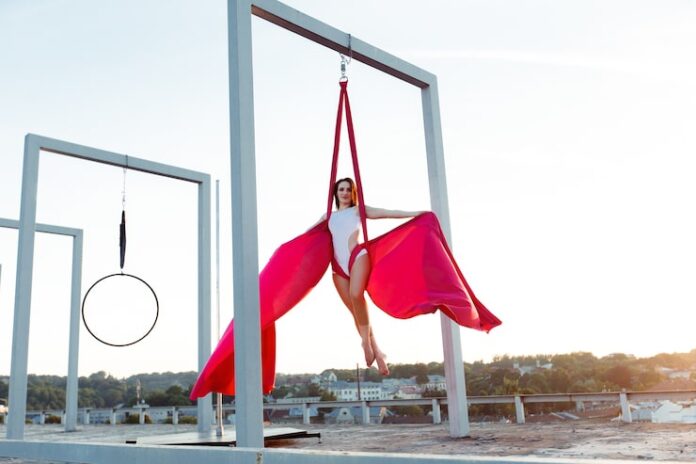
Aerial arts have rapidly grown as both a form of fitness and a performing art. From aerial silks and hoops to trapeze and aerial dance, this discipline combines strength, flexibility, endurance, and artistic expression. While dedication to training is essential, one factor that is often overlooked is the importance of specialized clothing. The right apparel can make a huge difference in comfort, safety, and performance outcomes.
High-quality aerial performance wear is specifically designed to meet the unique demands of aerial training and stage performance. It supports unrestricted movement, reduces friction against apparatus, and enhances both the safety and confidence of the performer.
Why Specialized Clothing Is Essential for Aerial Arts
Aerial artists spend a significant amount of time suspended in the air, interacting with metal hoops, fabric silks, ropes, or trapeze bars. During practice, friction against these surfaces can cause skin irritation, burns, or bruises if the clothing is inadequate. Regular gym wear is often too loose, non-durable, or non-protective for these movements.
Specialized aerial clothing is designed with materials and construction techniques that balance flexibility, durability, and coverage. Reinforced seams, high-stretch fabrics, and strategic cuts allow the performer to move freely while reducing the risk of injuries. Additionally, proper apparel improves body awareness, helping performers maintain alignment and technique during complex aerial maneuvers.
Key Features of Professional Aerial Performance Wear
Professional aerial clothing is distinguished by several key characteristics:
- High Stretch and Flexibility: Fabrics such as spandex, Lycra blends, or technical stretch textiles ensure freedom of movement during inversions, splits, and transitions.
- Durable Construction: Reinforced stitching and strong seams withstand repeated friction and grip, increasing the longevity of the garment.
- Skin Protection: Long sleeves, leggings, or unitards reduce friction burns and bruising caused by aerial apparatus contact.
- Comfort and Breathability: Breathable fabrics help regulate temperature during intense training sessions, allowing performers to stay focused.
- Stage-Ready Design: Sleek and elegant designs enhance visual appeal without compromising movement or safety.
Benefits of Wearing Proper Aerial Training Clothes
Choosing the right training apparel is not just about style—it directly impacts performance. Some of the main benefits include:
- Improved Safety
Fitted, durable clothing provides a protective layer against friction and minor injuries. For beginners, this is crucial for building confidence while learning new techniques.
- Enhanced Range of Motion
Stretchy, well-fitted fabrics allow performers to execute splits, backbends, and inversions without restriction, ensuring optimal performance and preventing movement limitations.
- Better Muscle Support
Compression garments in aerial wear can provide light support to major muscle groups, reducing fatigue and aiding recovery after intense training sessions.
- Increased Confidence
When performers know their clothing will not slip, bunch, or interfere with equipment, they can focus entirely on their movements and stage presentation, boosting confidence during both training and performances.
- Longevity of Clothing
High-quality aerial wear is designed to withstand the repeated stress of training. Unlike regular gym clothes, professional garments retain their elasticity and color even after frequent washes and heavy use.
Types of Aerial Apparel
Aerial clothing can vary depending on the discipline, personal preference, and performance needs. Here are some of the most common types:
- Unitards: Provide full-body coverage and protect the skin during complex aerial transitions. Ideal for silks and hoop work.
- Leggings: Protect the legs while allowing unrestricted movement. Often paired with fitted tops for comfort.
- Fitted Tops: Include long sleeves or cropped designs to suit specific apparatus needs, ensuring no loose fabric interferes with equipment.
- Shorts: Used in warmer environments or during specific aerial tricks, combined with protective leggings or grips when needed.
- Stage Costumes: Elegantly designed to combine aesthetics with function, suitable for performances and competitions.
Choosing the Right Fabric
The fabric choice is critical for comfort, performance, and safety. Some fabrics commonly used include:
- Spandex/Lycra: Provides elasticity, breathability, and a second-skin fit.
- Technical Stretch Fabrics: Lightweight, breathable, and durable fabrics designed specifically for aerial sports.
- Compression Blends: Support muscles, reduce fatigue, and maintain body alignment during aerial work.
Training vs Performance Wear
While some garments are suitable for both training and stage performances, performers often use specialized clothing for each purpose:
- Training Clothes: Focus on durability, protection, and comfort. Usually simpler in design but engineered to withstand repeated practice.
- Performance Costumes: Designed to enhance visual impact on stage. Often feature elegant patterns, sparkles, or sheer panels while maintaining the technical requirements of aerial safety and flexibility.
Tips for Maintaining Aerial Clothing
Proper care ensures longevity and continued performance:
- Wash in cold water to preserve elasticity and color.
- Avoid harsh detergents or bleach.
- Air dry to prevent shrinkage or fabric damage.
- Check seams and fabric integrity regularly, especially after intense sessions.
- Store garments flat or hanging to avoid stretching or deformation.
Impact on Performance
Professional aerial performance wear not only protects and supports but also allows performers to execute complex maneuvers with confidence. The right clothing enhances aesthetics, highlights body lines, and complements choreography, contributing to an overall professional presentation.
The Growing Popularity of Aerial Arts
Aerial arts have seen significant growth globally, with more studios, workshops, and performance opportunities emerging every year. As participation rises, the demand for high-quality training and performance apparel continues to increase. Investing in specialized aerial performance wear ensures both safety and an elevated standard of presentation.
Conclusion
In aerial arts, clothing is more than just a wardrobe choice. Proper aerial training and performance wear ensures safety, comfort, and optimal performance while allowing performers to focus on their artistry. High-quality aerial clothing protects the body, provides flexibility, and enhances stage presence, making it a crucial investment for any aerial artist.
By selecting the right materials, fit, and design, performers can maximize their potential during both practice and live performances, ensuring that their training pays off and their artistry shines. Specialized aerial apparel, like aerial performance wear, is the foundation for success in this demanding yet exhilarating discipline.
