
Introduction
Trekking in Nepal is one of the most rewarding ways to experience the beauty, culture, and natural diversity of the Himalayas. Home to some of the world’s highest mountains, including Mount Everest, Nepal offers trekking routes for adventurers with different levels of experience. From short scenic walks through traditional villages to demanding high-altitude expeditions, there is a trail for almost every type of traveler.
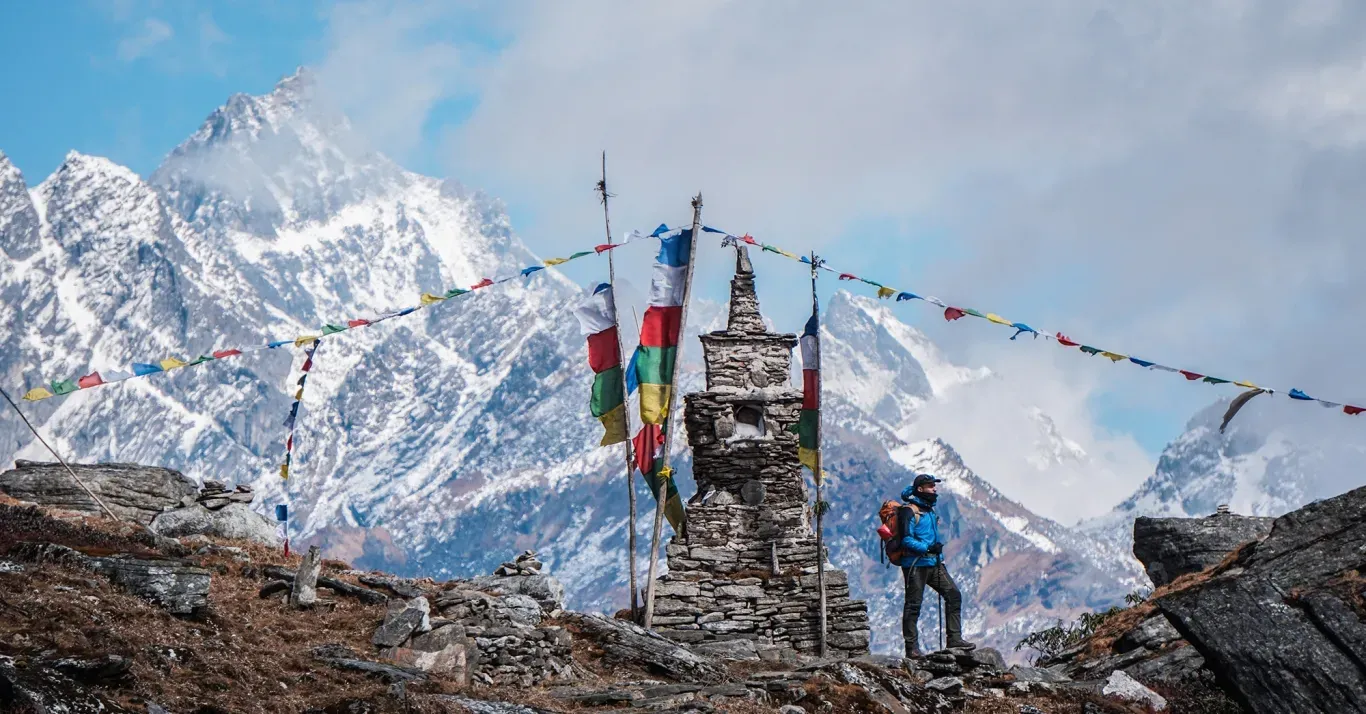
Beyond spectacular mountain views, trekking in Nepal provides an opportunity to discover ancient cultures, peaceful monasteries, dramatic landscapes, and welcoming mountain communities. Whether you are planning your first Himalayan adventure or looking for a challenging multi-day trek, Nepal offers an unforgettable experience.
Why Choose Trekking in Nepal?
Nepal has earned an international reputation as a premier trekking destination because of its extraordinary combination of mountains, landscapes, culture, and established trekking routes.
The country is home to eight mountains higher than 8,000 meters, including Mount Everest, Kanchenjunga, Lhotse, and Annapurna I. Trekkers can enjoy views of these impressive peaks while traveling through forests, valleys, alpine meadows, and remote mountain settlements.
Another advantage is the variety of trekking experiences available. Travelers can choose relatively accessible routes or undertake challenging high-altitude journeys that require careful preparation and acclimatization.
Best Trekking Routes in Nepal
Nepal has numerous trekking destinations, each offering a different combination of scenery and cultural experiences.
1. Everest Base Camp Trek
The Everest Base Camp Trek is among the most famous trekking routes in the world. It takes travelers through the Khumbu region, where they can experience Sherpa culture and enjoy spectacular views of Mount Everest and surrounding peaks.
The journey generally begins with a flight to Lukla before continuing through villages such as Namche Bazaar, Tengboche, and Dingboche. Highlights include mountain viewpoints, Buddhist monasteries, traditional settlements, and the opportunity to reach Everest Base Camp.
Because the trek reaches a high elevation, proper acclimatization and preparation are particularly important.
2. Annapurna Circuit Trek
The Annapurna Circuit is known for its remarkable variety of landscapes. The route passes through subtropical valleys, forests, mountain villages, and high-altitude terrain before crossing the Thorong La Pass.
One of the major attractions of the trek is the changing scenery. Trekkers can experience different climates, cultures, and ecosystems during a single journey. The region also provides impressive views of peaks such as Annapurna, Dhaulagiri, and Manaslu.
3. Langtang Valley Trek
For travelers looking for a shorter Himalayan trekking experience, the Langtang Valley Trek is an attractive option. Located relatively close to Kathmandu, the route combines mountain scenery with traditional Tamang and Tibetan-influenced culture.
The trail passes through forests, villages, and high valleys while providing views of Langtang Lirung and other Himalayan peaks. It is also an excellent choice for travelers who want a quieter experience away from some of Nepal’s busiest trekking routes.
4. Manaslu Circuit Trek
The Manaslu Circuit Trek offers a more remote Himalayan experience. The route circles Mount Manaslu and passes through diverse landscapes, traditional villages, and dramatic mountain terrain.
The trek involves crossing the Larkya La Pass and reaches significant elevations, making physical preparation and acclimatization essential. Its combination of wilderness, cultural heritage, and spectacular mountain scenery makes it an appealing option for experienced trekkers.
Best Time for Trekking in Nepal
Choosing the right season can significantly influence your trekking experience.
Autumn, particularly from September to November, is widely considered one of the most popular periods for trekking. The weather is generally stable, visibility is often good, and mountain views can be spectacular.
Spring, from March to May, is another popular season. The weather becomes warmer at lower elevations, and many trekking areas feature blooming rhododendrons and other mountain vegetation.
The monsoon season brings heavier rainfall to many parts of Nepal, which can create muddy trails, clouds, and difficult conditions on certain routes. However, some rain-shadow regions, such as parts of Mustang, can remain suitable for trekking.
Winter can offer clear mountain views, but higher-altitude routes may experience freezing temperatures and heavy snowfall.
Preparing for a Trek in Nepal
Good preparation is essential, especially for high-altitude trekking.
Start by choosing a route that matches your fitness level, available time, and previous trekking experience. Research the expected altitude, daily walking distances, weather conditions, and accommodation options.
Essential equipment can include:
-
Comfortable trekking boots
-
Warm and weather-resistant clothing
-
A quality backpack
-
Sleeping bag suitable for the season
-
Water bottles or hydration systems
-
Sunglasses and sun protection
-
Headlamp and spare batteries
-
Basic first-aid supplies
-
Personal medications
-
Trekking poles
For higher-altitude routes, acclimatization should be an important part of your itinerary. Walking too quickly or gaining altitude too rapidly can increase the risk of altitude-related illness.
Permits and Trekking Support
Depending on the trekking region and route, travelers may need permits or other official documentation. Requirements can change, so it is important to check current regulations before starting your trip.
Many visitors choose to trek with a licensed guide or trekking company. A knowledgeable guide can help with navigation, accommodation, local customs, logistics, and communication while also providing valuable information about the region.
Porters are also commonly used on longer treks. Using responsible trekking services can help support local mountain communities while making the journey more manageable.
Responsible Trekking in Nepal
Protecting Nepal’s mountain environment is an important responsibility for every trekker. Popular trails can experience problems related to waste, plastic use, and pressure on local resources.
Travelers can contribute to sustainable tourism by carrying reusable water bottles, avoiding unnecessary plastic, disposing of waste properly, respecting wildlife, and following local environmental guidelines.
Respect for local communities is equally important. Ask permission before photographing people, dress appropriately in villages and religious sites, and follow local customs when visiting monasteries and cultural landmarks.
What Makes Trekking in Nepal Special?
The appeal of Trekking in Nepal extends beyond reaching a particular destination. The journey itself becomes an important part of the experience.
Walking through mountain villages allows travelers to see how communities have adapted to life in challenging environments. Along the way, trekkers may encounter prayer flags, Buddhist stupas, monasteries, suspension bridges, terraced fields, and traditional houses.
The combination of natural scenery and cultural interaction creates an experience that is difficult to replicate elsewhere.
Conclusion
Trekking in Nepal offers an exceptional opportunity to explore the Himalayas while experiencing the country’s diverse landscapes and rich cultural heritage. From the legendary Everest Base Camp and scenic Annapurna region to the peaceful Langtang Valley and remote Manaslu Circuit, Nepal provides trekking opportunities for a wide range of travelers.
Successful trekking requires thoughtful planning, appropriate equipment, physical preparation, and respect for the mountain environment and local communities. With the right preparation and a suitable itinerary, a trek through Nepal can become one of the most memorable adventures of a lifetime.
Key Takeaways
-
Nepal offers trekking routes for beginners, intermediate trekkers, and experienced adventurers.
-
Everest Base Camp, Annapurna Circuit, Langtang Valley, and Manaslu Circuit are among the country’s well-known trekking destinations.
-
Autumn and spring are popular seasons for many trekking routes.
-
High-altitude trekking requires proper acclimatization and preparation.
-
Guides and porters can provide valuable logistical and cultural support.
-
Responsible trekking helps protect Nepal’s environment and supports local communities.
-
Choosing a route according to your fitness, experience, schedule, and altitude tolerance is essential.
