
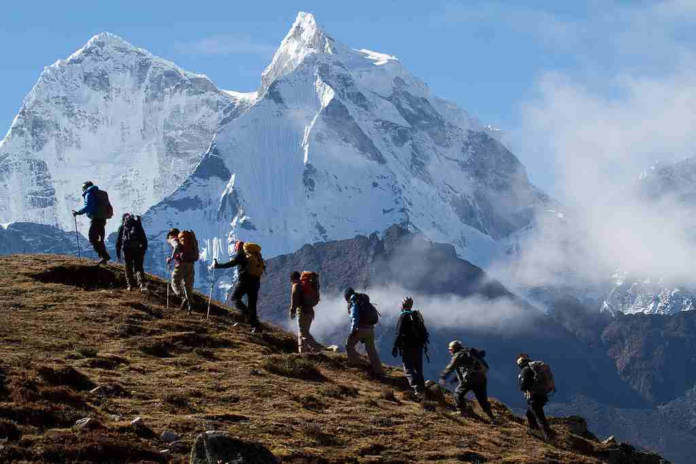
Trekking in Nepal is one of the most remarkable travel experiences in the world. Known for its breathtaking mountain landscapes, rich culture, and warm hospitality, Nepal attracts thousands of trekkers every year. From beginners seeking scenic trails to experienced adventurers aiming to conquer high-altitude passes, Nepal offers trekking routes suitable for every level. With the majestic Himalayas as a backdrop, trekking in this beautiful country is more than just a hike—it is a journey through nature, culture, and history.
Why Choose Trekking in Nepal?
Nepal is home to eight of the world’s fourteen highest mountains, including Mount Everest. The country offers diverse trekking routes that pass through lush forests, traditional villages, alpine meadows, and dramatic glaciers. Trekkers not only enjoy spectacular mountain views but also experience the unique traditions of local communities such as the Sherpa, Gurung, and Tamang people.
Another reason trekking in Nepal is so popular is the wide range of trekking options. Whether you prefer short and easy treks or challenging multi-week expeditions, Nepal provides endless opportunities. The trails are well-established, and the trekking infrastructure includes comfortable tea houses, experienced guides, and reliable trekking agencies.
Popular Trekking Regions in Nepal
Nepal has several famous trekking regions, each offering unique landscapes and cultural experiences.
Everest Region
The Everest region is the most famous trekking destination in Nepal. Trekkers visit this area to witness the world’s highest peak and explore the legendary trails used by mountaineers. The journey to Everest Base Camp is one of the most iconic treks in the world, passing through Namche Bazaar, Tengboche Monastery, and stunning Himalayan valleys.
Annapurna Region
The Annapurna region is another highly popular trekking area known for its scenic diversity. Treks such as the Annapurna Base Camp Trek and Annapurna Circuit Trek offer views of snow-covered peaks, waterfalls, and terraced farmlands. This region is ideal for both beginners and experienced trekkers because it offers trails of varying difficulty levels.
Langtang Region
Located north of Kathmandu, the Langtang region is famous for its peaceful environment and beautiful landscapes. The Langtang Valley Trek takes trekkers through forests of rhododendron and bamboo, charming villages, and high alpine pastures. It is a great choice for those who want a less crowded trekking experience.
Best Time for Trekking in Nepal
The best seasons for trekking in Nepal are spring (March to May) and autumn (September to November). During these months, the weather is stable, the skies are clear, and the mountain views are spectacular.
Spring is known for blooming rhododendron forests and mild temperatures, making it a beautiful time to trek. Autumn is considered the most popular trekking season because of its crystal-clear views and comfortable climate.
Winter treks are possible in lower-altitude areas, while the summer monsoon season brings heavy rainfall that can make trails muddy and difficult.
Cultural Experience During Trekking
One of the most unique aspects of trekking in Nepal is the opportunity to experience local culture. Trekking trails often pass through traditional villages where travelers can observe daily life and local customs. Prayer flags flutter across mountain passes, ancient monasteries sit on hilltops, and friendly villagers welcome trekkers with warm smiles.
Tea houses along the trekking routes provide comfortable accommodation and delicious meals such as dal bhat, noodles, and traditional Nepali dishes. Sharing meals with fellow trekkers and locals creates a memorable cultural exchange that enhances the trekking experience.
Physical Preparation for Trekking
Although many trekking routes in Nepal are accessible to beginners, good physical preparation is important. Trekking involves walking for several hours a day, often on steep and uneven trails. Regular walking, hiking, or cardio exercises before the trip can help improve stamina and endurance.
Acclimatization is also crucial when trekking at high altitudes. Taking rest days, staying hydrated, and ascending gradually help reduce the risk of altitude sickness. Hiring experienced guides can also ensure safety and provide valuable local knowledge.
Essential Trekking Gear
Proper equipment plays a key role in making a trekking trip comfortable and safe. Some essential trekking gear includes:
- Comfortable trekking boots
- Warm clothing and layers
- Waterproof jacket
- Backpack and sleeping bag
- Trekking poles
- First aid kit and water bottle
Packing wisely helps trekkers handle changing weather conditions and long trekking days.
Sustainable Trekking in Nepal
Sustainable tourism has become an important focus in Nepal’s trekking industry. Trekkers are encouraged to respect local cultures, reduce plastic waste, and follow responsible trekking practices. Many trekking organizations promote eco-friendly initiatives to protect the natural beauty of the Himalayas.
By supporting local guides, staying in community-run tea houses, and respecting the environment, trekkers contribute to the local economy and help preserve Nepal’s cultural heritage.
Conclusion
Trekking in Nepal is an unforgettable adventure that combines natural beauty, cultural discovery, and personal achievement. Whether trekking to Everest Base Camp, exploring the Annapurna region, or wandering through the peaceful Langtang Valley, every trail offers unique experiences and breathtaking scenery.
